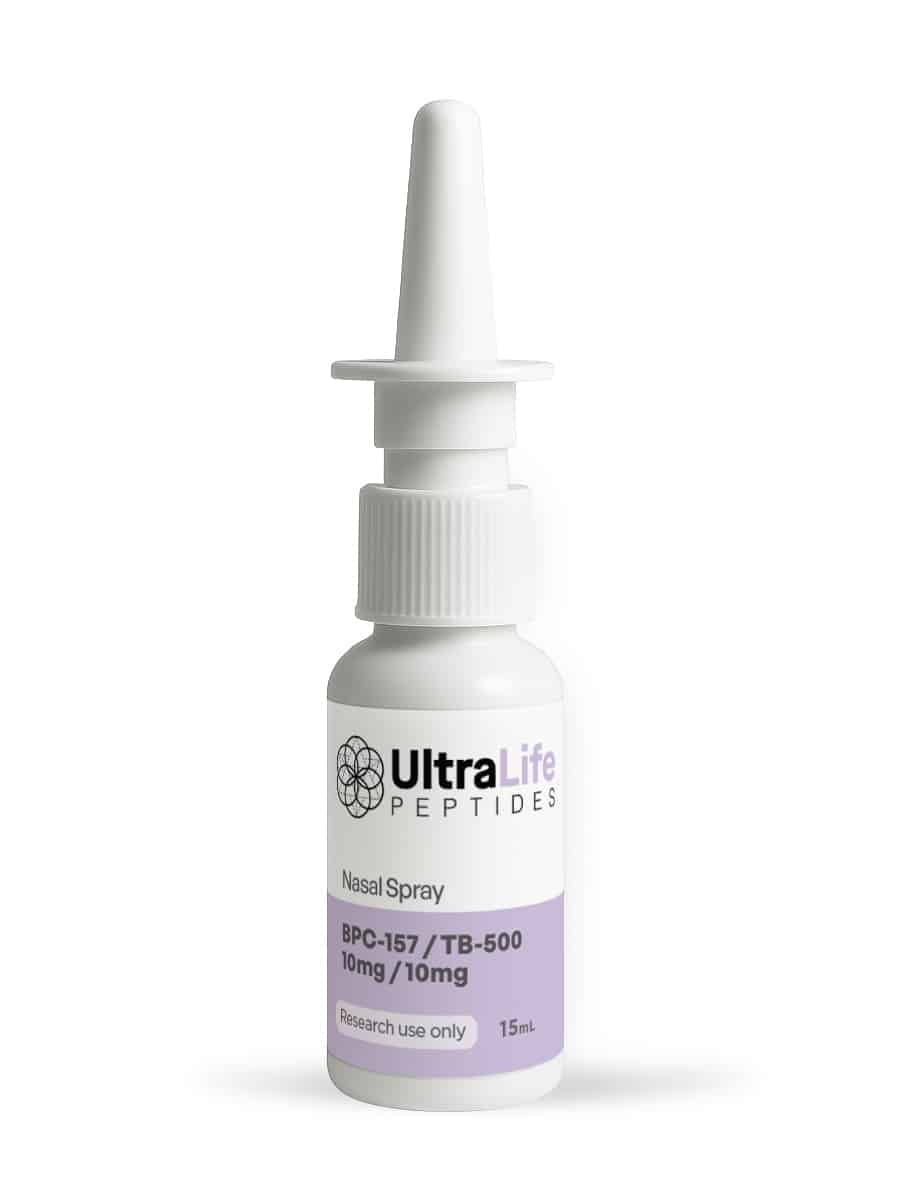
BPC-157/TB-500 – COMPREHENSIVE RESEARCH PEPTIDE COMBINATION FOR CELLULAR, ANGIOGENIC, AND CYTOSKELETAL STUDIES
Scientific Overview of BPC-157/TB-500
BPC-157 and TB-500 are synthetic research peptides often evaluated together in in-vitro and in-vivo studies investigating cellular growth, migration, and cytoskeletal regulation.
BPC-157 is a pentadecapeptide originally derived from a protective protein found in gastric juice, commonly studied for its interactions with angiogenic, growth factor, and nitric oxide pathways (Seiwerth et al., 2018; Chang et al., 2014; Sikiric et al., 2016).
TB-500 is a synthetic fragment of Thymosin Beta-4, a naturally occurring protein associated with actin-binding and cytoskeletal organization, investigated for its influence on cell motility and tissue remodeling mechanisms (Malinda et al., 1999; Smart et al., 2007).
Together, this peptide combination is frequently used in research models to explore molecular pathways related to cellular structure, repair signaling, and angiogenic response.